
Waste4Change scales integrated waste systems in Indonesia
Published on May 7, 2026
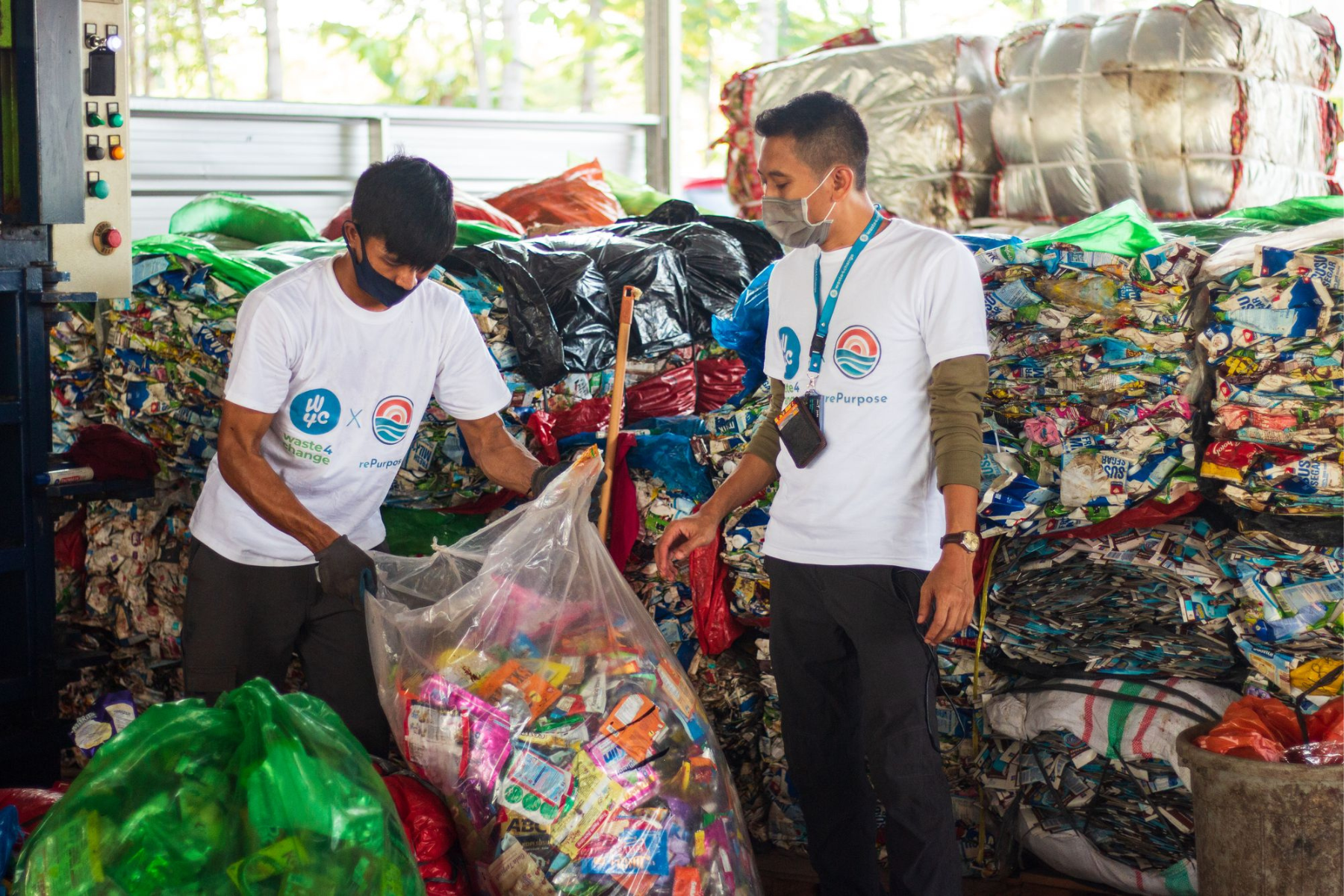
Waste4Change Founder and CEO Mohamad Bijaksana Junerosano at one of the company’s waste processing facilities in Indonesia
As Southeast Asia navigates rising energy costs and ongoing supply chain disruptions, pressure is building on how resources are sourced, used, and recovered. What has traditionally been viewed through an environmental lens is increasingly becoming a question of efficiency and cost management.
Recent geopolitical tensions have pushed up input costs across energy, fertilizers, and materials, feeding through to inflation and fiscal pressure across emerging markets.
In this environment, climate considerations are no longer limited to emissions. They are increasingly tied to how economies manage volatility, supply chains, and resource constraints.
Waste is one area where this is becoming more visible.
Indonesia generates more than 140,000 tons of waste per day, yet only around 25% is properly managed. At the same time, disruptions in global supply chains are driving up the cost of virgin materials, including plastics. This has exposed a structural imbalance between rising demand and limited domestic recovery, leaving economies more vulnerable to external price shocks.
Building integrated waste infrastructure
Waste4Change operates at this intersection. Since 2014, the company has built an integrated platform spanning collection, sorting, and processing, recovering materials back into the economy at scale. Over the past decade, it has collected nearly 65 million kilograms of waste and recycled more than 14 million kilograms, while expanding across 19 locations nationwide. In 2024 alone, it processed 8.1 million kilograms of recyclables and produced close to 700,000 kilograms of refuse-derived fuel.
This expansion comes as the economics of recycling begin to shift. Rising virgin material costs are improving the competitiveness of recycled inputs, particularly in plastics, reinforcing the role of operators that can work across fragmented waste systems.
Rather than focusing on a single point in the value chain, Waste4Change integrates households, commercial waste streams, and community-based systems, including the informal sector, with downstream processing into recycled materials and energy inputs. In markets where infrastructure gaps remain significant, this level of integration has become critical to execution.
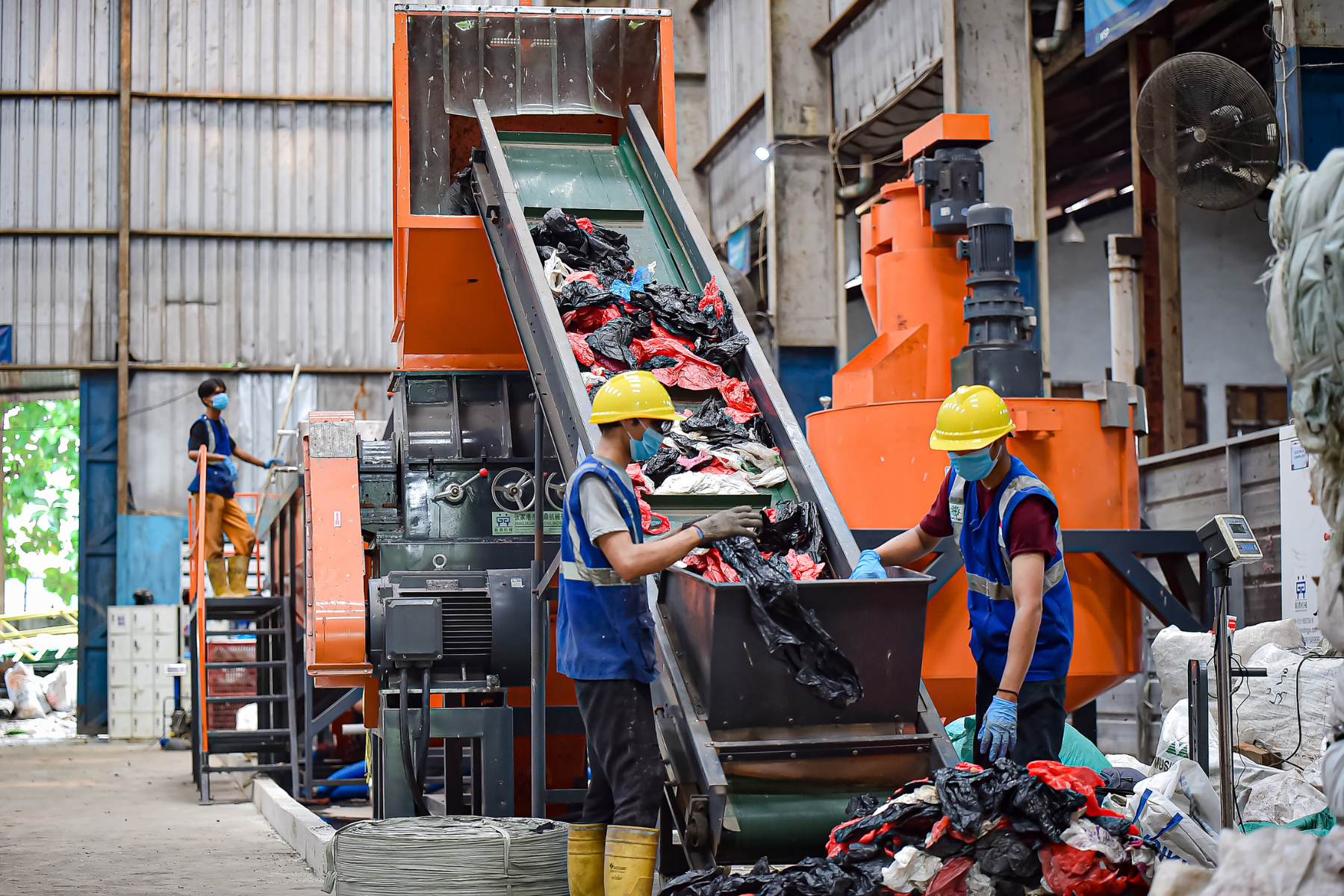
Waste recovery and downstream processing operations at a Waste4Change facility
“Our growth is proof that circular solutions can deliver measurable impact at scale. We are not just reducing landfill waste—we are transforming waste into resources, creating jobs, and driving systemic change,” said Mohamad Bijaksana Junerosano, Founder & CEO, Waste4Change.
The company estimates that its operations have avoided the equivalent of 28.8 million kilograms of CO₂ emissions over the past decade, while supporting job creation and engaging more than 550,000 individuals in waste management practices.
From sustainability to economic resilience
These developments reflect a broader shift in how climate opportunities are being evaluated across Southeast Asia. The focus is increasingly expanding beyond emissions to include cost exposure, supply chain resilience, and resource efficiency.
In systems where energy and material dependencies remain high, improving recovery and reuse can help reduce exposure to external shocks and input cost volatility.
At ACV Capital, these dynamics are increasingly shaping how climate opportunities are assessed. As noted by Helen Wong, Managing Partner at ACV Capital, “the conversation is moving beyond sustainability toward economic resilience. In markets where external dependencies are high, energy and resource systems are becoming central to how risk and long-term value are assessed.”
This shift is contributing to a reassessment of sectors such as waste management, which are increasingly being viewed less as standalone environmental services and more as part of the infrastructure supporting supply chains, cost structures, and long-term economic performance.
Policy momentum and capital formation
For investors, the shift is becoming more tangible. As pressures across energy, materials, and supply chains converge, the ability to improve resource efficiency is moving closer to the core of how risk is priced and how value is created.
In parallel, regulatory momentum around Extended Producer Responsibility (EPR) frameworks and waste reduction targets across Southeast Asia is expected to further formalize the sector, creating clearer pathways for private capital participation and long-term scaling.
Waste4Change’s expansion reflects this broader direction. Its model addresses a large and underdeveloped sector while supporting the development of more structured and efficient resource systems.
Timing is also becoming increasingly important. As cost pressures, policy momentum, and execution capability begin to align, capital is starting to move earlier into platforms capable of scaling within fragmented systems.
As demand for integrated waste solutions grows, companies with the ability to execute across the value chain are likely to play a more central role as the sector evolves from fragmented services toward more institutionalized, infrastructure-like models.