
Xurya scales solar adoption in Indonesia, following 300+ projects delivered in 2025
Published on April 24, 2026
As energy volatility reshapes Southeast Asia, solar adoption is increasingly driven by cost stability and operational resilience.
As Southeast Asia navigates a more volatile energy environment, the role of renewable energy is increasingly shifting beyond sustainability toward economic resilience.
For much of the past two decades, the region’s growth has been supported by relatively stable energy costs. That dynamic is shifting. Recent geopolitical tensions have contributed to higher energy prices, increased fiscal pressure, and broader inflationary effects across emerging markets. In Indonesia, energy subsidies initially set at approximately US$22 billion for 2026 have required an additional ~US$6 billion to maintain current fuel prices, adding further strain to fiscal balances.
Across Southeast Asia, where economies remain structurally dependent on imported fossil fuels, these dynamics are becoming more material for long-term economic stability. At the same time, clean energy investment in the region reached approximately US$47 billion in 2025, reflecting continued progress toward a more diversified energy mix.
In practice, the transition depends on how effectively solutions are deployed.
“The discussion is no longer limited to emissions or sustainability targets. It is increasingly tied to economic resilience and stability,” said Helen Wong, Managing Partner, ACV Capital
Xurya, a leading solar energy solutions provider in Indonesia, backed by ACV Capital, demonstrates how renewable energy solutions are being deployed at scale within the commercial and industrial segment.
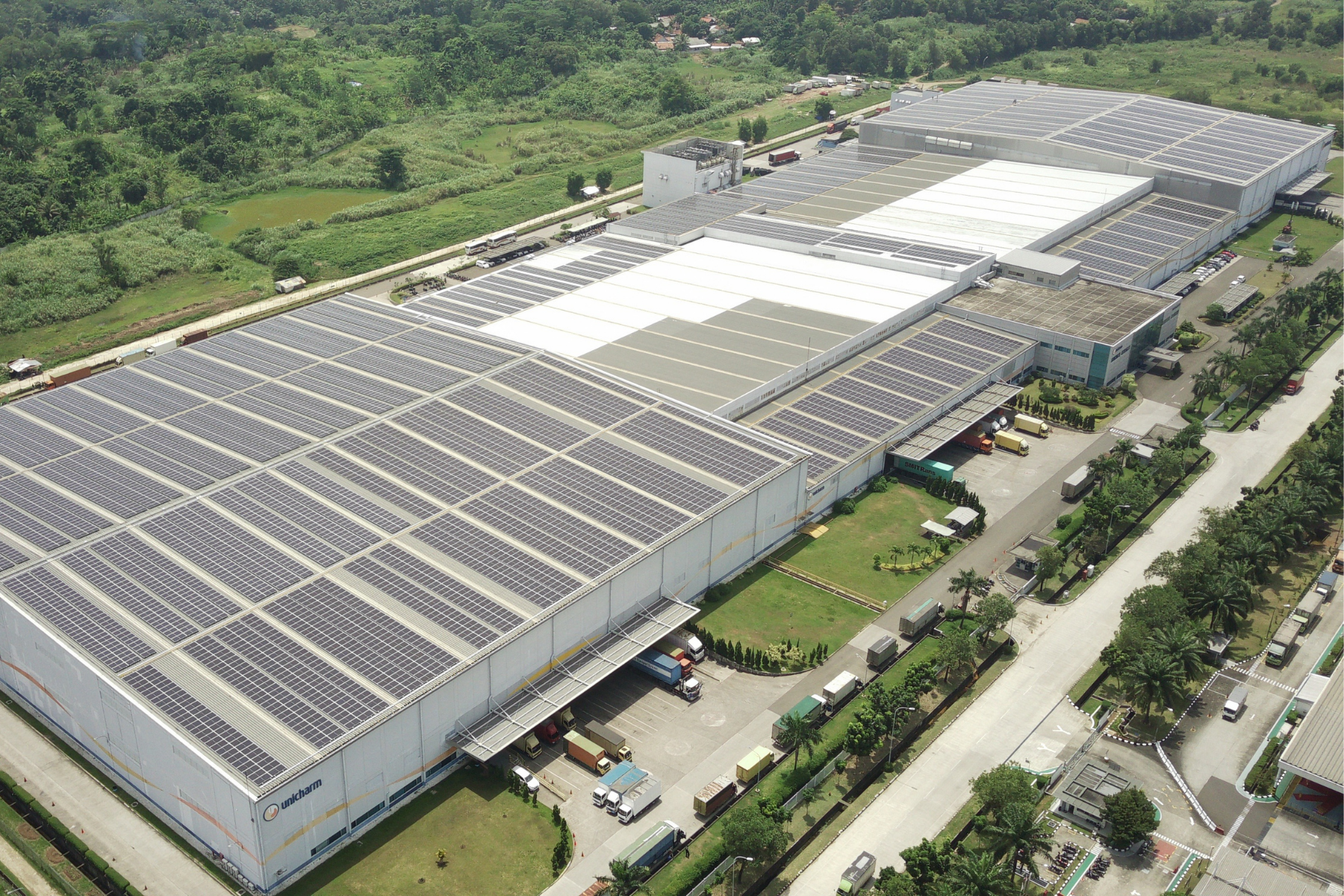
Founded in 2018, Xurya has focused on enabling solar adoption by removing upfront cost barriers through its zero-capex rooftop solar model. By the end of 2025, the company had delivered more than 300 solar projects across Indonesia, representing over 200 MWp of installed capacity across on-grid and hybrid off-grid systems.
This level of deployment reflects growing demand from industrial users seeking greater cost efficiency and energy reliability. Solar is increasingly being integrated into core operating strategies, rather than treated as a standalone sustainability initiative.
Eka Himawan, Managing Director of Xurya, said, “We see solar energy becoming an integral part of long-term operational strategies for companies in Indonesia. As regulatory frameworks become clearer, we see an opportunity to further strengthen our position as a local renewable energy company with global standards.”
In parallel, Xurya has focused on strengthening underlying business fundamentals. This includes the development of bankable projects, improvements in installation quality to meet national and international standards, and enhanced post-installation service capabilities.
The company has also begun diversifying into hybrid off-grid and Independent Power Producer (IPP) segments, reflecting evolving demand for more reliable and cost-efficient energy solutions, particularly from industrial users requiring supply certainty.
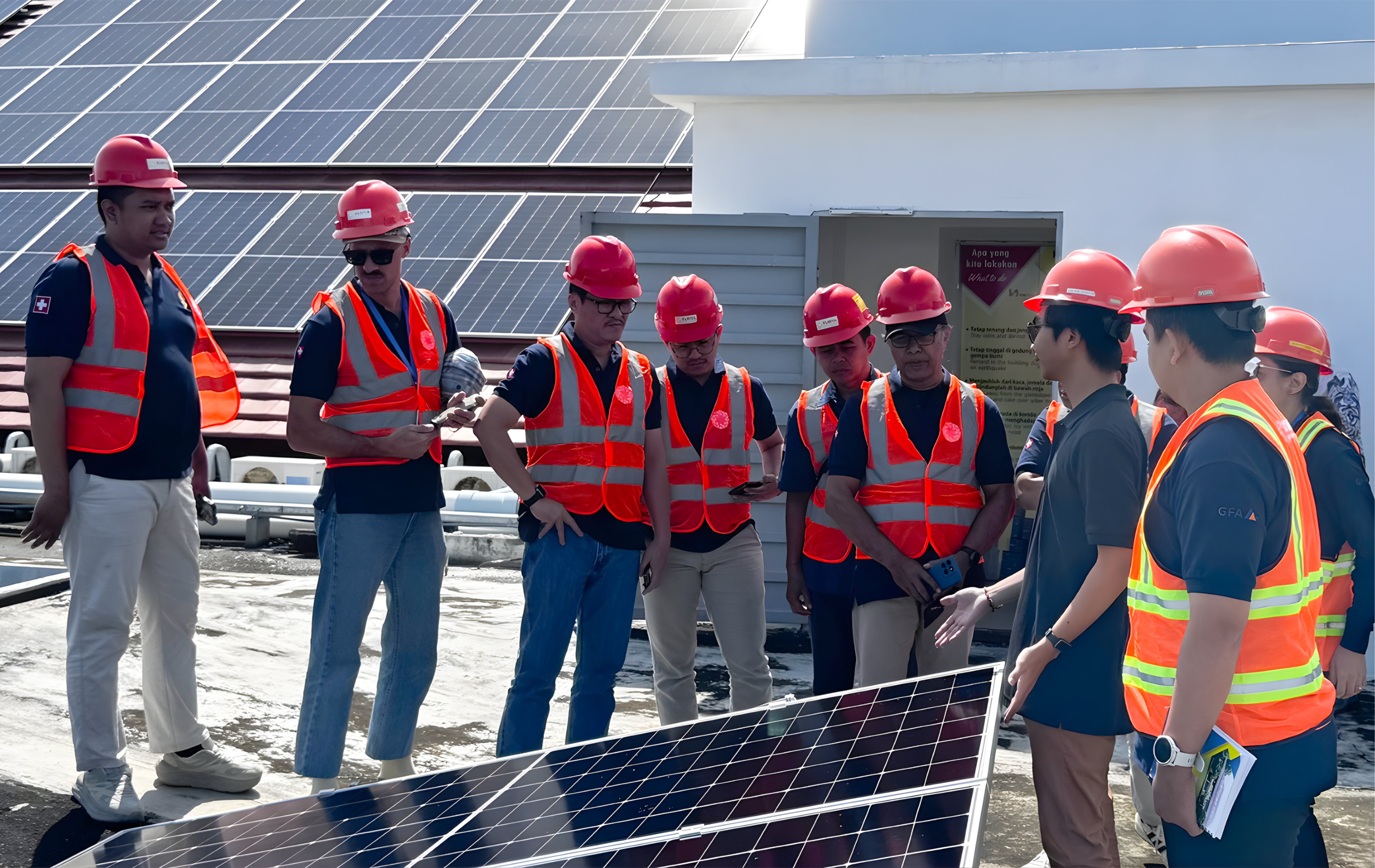
Alongside commercial expansion, Xurya continues to invest in ecosystem development. Through Solar Academy Indonesia (SAI), launched in 2024, the company is addressing a key structural constraint in the sector: the availability of skilled local talent.
By 2025, SAI had trained hundreds of participants across local Engineering, Procurement, and Construction partners, with programmes focused on installation quality, system safety, and risk mitigation. The initiative is expected to expand further in 2026 as project scale and complexity increase.
Philip Effendy, VP Operations of Xurya, added, “We believe the energy transition must be supported by strong local capabilities. Without skilled local talent, industry growth will not be sustainable.”
Xurya’s development reflects a broader shift within Southeast Asia’s energy landscape, where climate-related solutions are evolving into more established, infrastructure-like models that address real economic constraints.
For investors, this reframes climate from a thematic allocation into a core component of risk assessment. As energy volatility, supply chain exposure, and cost pressures become more interconnected, scalable solutions with strong execution capabilities are becoming increasingly relevant.
Xurya’s expansion across projects, segments, and ecosystem initiatives reflects the direction of solar adoption in Indonesia, as the sector evolves toward larger-scale and more integrated deployment.
“For investors, this is no longer a distant consideration. It is an active component of how capital is being evaluated and deployed across the region,” said Helen.